Medically & Clinically Reviewed by Mabel Soares, RD, LD | Written by QWLC Editorial Team | Updated: October 2026 | 8 Min Read
You have been following your plan closely. You are drinking your water, hitting your targets, and sticking to your routine every single day.
Then suddenly, the scale stops moving.
Seeing your weight stall for a few days in a row can feel frustrating. You might wonder if your plan stopped working. You might even feel tempted to make drastic, unnecessary changes to your food choices.
Do not panic. Weight loss slowdowns are a normal part of the process. In fact, learning how to navigate a plateau is an essential skill when learning how to stay consistent with weight loss over the long haul.
In this guide, we break down what a true plateau actually is, why your body pauses, and six simple steps to get your momentum moving again.
1. Is It a Real Plateau or Just Normal Water Shifts?
Before changing your daily routine, figure out what is happening. Are you experiencing a true weight loss plateau, or are you just seeing normal day-to-day fluid shifts?
Your scale weight naturally bounces around based on simple factors:
- Sodium Intake: Eating a slightly saltier meal causes your body to hold onto extra water temporarily.
- Digestion & Meal Timing: Eating dinner a little later means food stays in your digestive tract longer overnight.
- Muscle Recovery: Starting a new walking routine or light exercise can cause temporary fluid retention in your muscles.
If your weight and body measurements have not changed for 3 to 4 weeks in a row, it may be a true plateau. If it has only been a few days or a couple of weeks, your body is likely just adjusting.
2. Why Your Body Pauses During Weight Loss
As you lose weight steadily, your body naturally adapts. Getting lighter means your body requires slightly less energy to move around during daily activities.
According to healthy weight guidelines from the Centers for Disease Control and Prevention (CDC), a gradual and steady rate of 1 to 2 pounds per week is linked to better long-term success.
When progress slows down, it does not mean your metabolism is broken. It is simply a signal that your daily routine needs a quick check-in.
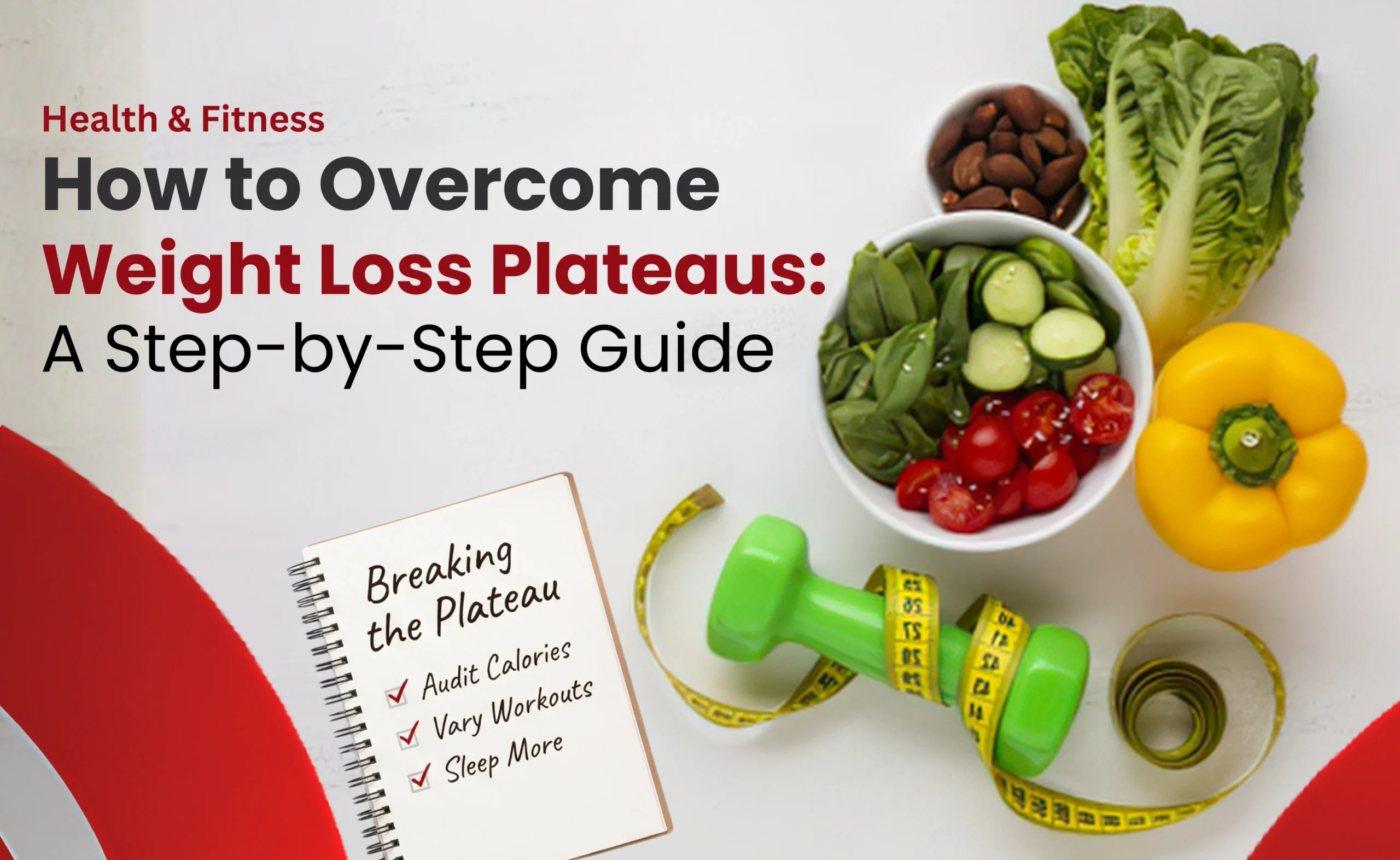
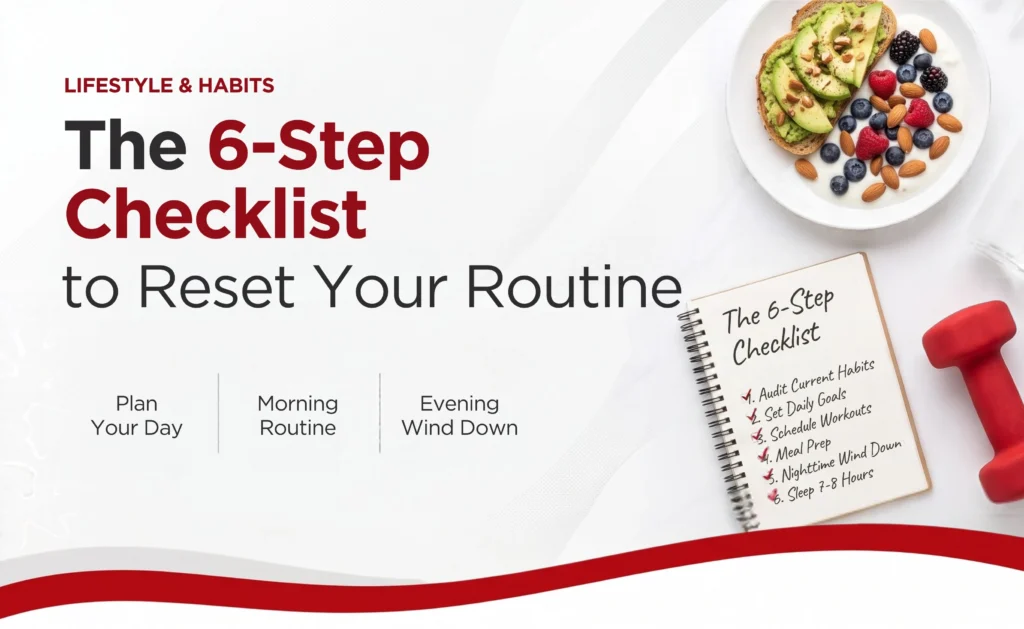
3. The 6-Step Checklist to Reset Your Routine
If you hit a true pause, avoid the urge to skip meals or cut food drastically. Instead, review these six core daily anchors:
Step 1: Check Your Daily Hydration
Are you reaching your 80 oz daily water goal (unless restricted by your physician)? Staying hydrated is a core part of your plan. Mild thirst is often mistaken for hunger.
Step 2: Confirm Your Protein & Snack Timing
Eating scheduled Q-Snacks between main meals keeps physical hunger manageable and energy steady. Skipping snacks often leads to overeating later at dinner.
Step 3: Review Evening Rules
- The 6:00 PM Fruit Rule: Program rule: enjoy your 2 fruit portions before 6:00 PM.
- Light Dinners: Make dinner your smallest meal of the day. Focus on lean proteins and non-starchy green vegetables without starches like bread or crackers. If late-night eating is a challenge, review our guide on Evening Routine Hacks: How to Stop Late-Night Cravings and Protect Your Weight Loss.
- Cottage Cheese Frequency: Keep 1% cottage cheese to a few times a week rather than eating it daily.
Step 4: Audit Sleep and Rest
According to research published by the National Institutes of Health (NIH), getting sufficient sleep helps regulate appetite. Most adults need 7 or more hours of quality sleep each night. Short sleep duration directly raises hunger levels and changes appetite signals.
Step 5: Look for Portion Creep and Hidden Extras
Over time, portion sizes can slowly grow without you noticing. Measure your proteins, starches, and oils again for a few days. Check for extras that add up fast, like unmeasured cooking oil, extra dressing, or unapproved condiments. Weekends are another common culprit. Eating carefully Monday to Friday and loosely on weekends can stall a whole week of progress.
Step 6: Track for One Full Week
Write down everything you eat and drink for seven days, along with exact times. In a Kaiser Permanente study of nearly 1,700 adults, people who kept daily food records lost twice as much weight as those who did not. A week of notes often reveals the exact reason progress slowed, giving your counselor clear information to work with.
When to talk to your doctor: If you have followed your plan closely for several weeks and nothing changes, or if you started a new medication, check in with your healthcare provider. Some medical conditions and medications directly affect weight.
EXPERT NUTRITIONAL INSIGHT
“When progress pauses, the most common mistake is panicking and changing everything. In our experience, resetting two core anchors—daily water intake and protein snack timing—often helps clients get their momentum back.”
— Mabel Soares, RD, LD, Registered Dietitian & Senior Nutritional Coach at QWLC
4. Practical Daily Support Tools
If physical hunger makes it hard to stick to your routine during a slowdown, simple nutritional tools remove friction:
- Daily Core Support: Q-Boost and Q-Fiber are part of your daily Plan One structure. Fiber adds bulk to your meals, helping you feel satisfied between main meals.
*These statements have not been evaluated by the Food and Drug Administration. This product is not intended to diagnose, treat, cure, or prevent any disease. Check with your doctor before starting any new dietary supplement. - Program Seasoning: Your plan includes ¼ to ½ teaspoon of Morton Lite Salt daily for seasoning.
Caution: If you have kidney disease, high blood pressure, or take medications that affect potassium levels, please talk with your doctor before using potassium-based salt substitutes.
Frequently Asked Questions
How long does a typical weight loss plateau last?
It varies from person to person. If your weight and measurements have not changed for 3 to 4 weeks, review the checklist above and talk with your counselor about adjusting your plan.
Should I exercise more if my weight loss stops?
Not necessarily. Gentle movement like taking short 10-to-15-minute post-meal walks helps digestion. Suddenly adding intense workouts can leave you hungrier and make the scale harder to read for a few days.
Will skipping a snack help speed up results?
No. Skipping scheduled snacks leaves you overly hungry, making it harder to stay on track at your next meal. Stick strictly to your structured routine.
How Quick Weight Loss Virtual Counseling Keeps You Supported
Breaking through a weight loss slowdown is much easier when you do not have to guess.
Quick Weight Loss Virtual Counseling connects you with a caring, experienced coach who helps you review your daily logs, adjust your routine safely, and keep you on the path to lasting results.
Explore Virtual Weight-Loss Counseling at Quick Weight Loss Today
Not sure where to start? Schedule a free, no-obligation phone call with one of our counselors.
Medical Notice: This article is for general informational purposes only and does not substitute for professional medical advice. If you are pregnant, have an underlying health condition, or take prescription medications, please talk to your doctor before changing your diet or exercise routine. Individual weight loss results vary based on starting point, health history, and program adherence.
ABOUT THE REVIEWER
Mabel Soares, RD, LD
Registered Dietitian & Senior Nutritional Coach at Quick Weight Loss Centers
Mabel Soares is a Registered Dietitian with over 16 years of coaching experience at Quick Weight Loss Centers. She specializes in guiding clients through QWLC’s structured 4-Phase System, helping them build lasting nutrition habits that fit into busy, real-world schedules.