
Weight loss is not always difficult because people lack information. Most people already know the basics: eat more balanced meals, move regularly, drink water, manage portions, and stay consistent. The harder part is applying those habits every day when life gets busy, stressful, or unpredictable.
That is why support matters.
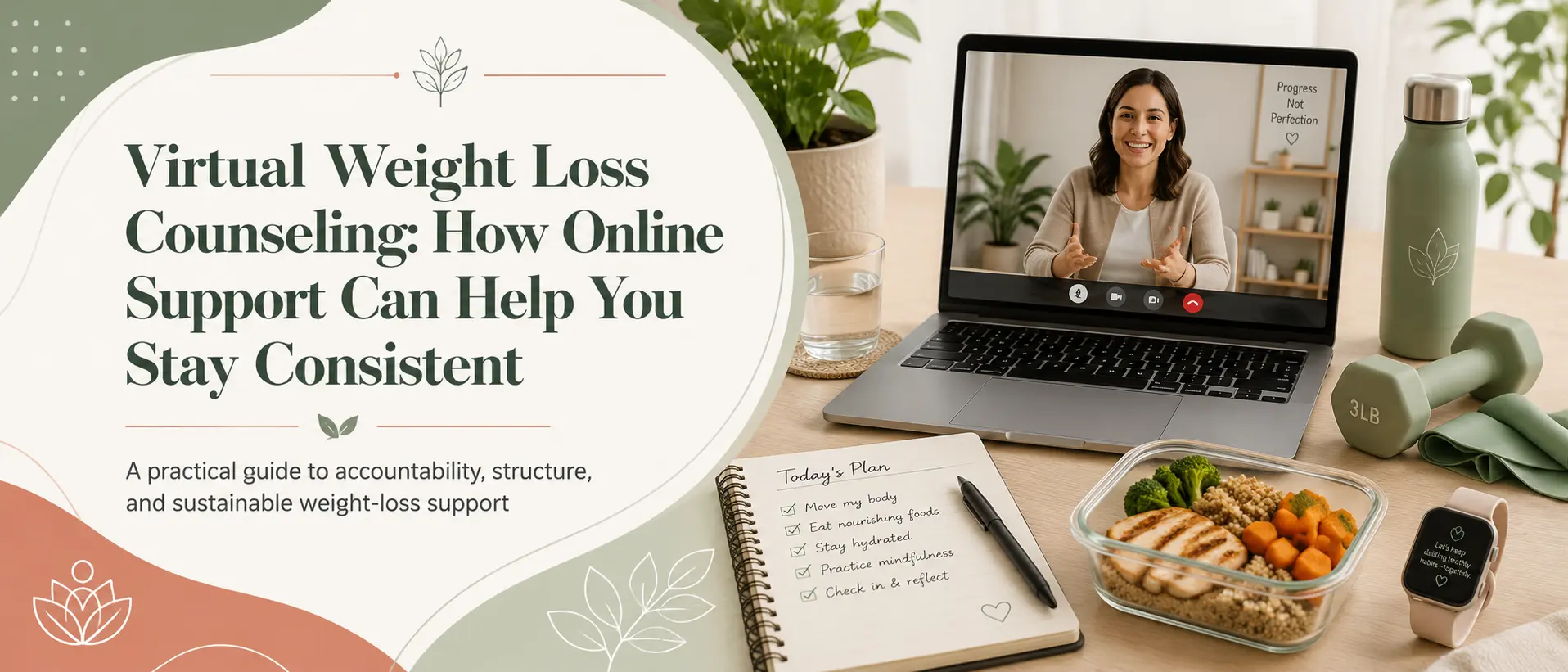
Virtual weight loss counseling gives people a more guided way to approach their goals without needing to visit a center in person. Instead of trying to figure everything out alone, clients can receive structure, accountability, and practical guidance from home.
For many people, this kind of online weight loss support can make the journey feel less overwhelming and more realistic.
What Is Virtual Weight Loss Counseling?
Virtual weight loss counseling is a remote support service where a client works with a counselor or weight loss coach through phone, video, or online communication. The goal is to help the client follow a structured weight loss plan, understand their daily habits, and stay consistent over time.
A virtual counselor may help with goal setting, food choices, portion control, progress tracking, motivation, and troubleshooting challenges. This support can be especially helpful for people who have tried multiple diets before but struggled to stay on track.
Quick Weight Loss offers virtual counseling as part of its approach. According to the QWL website, counselors help review health history, determine weight loss goals, and guide clients toward a plan that fits their needs.
Why Accountability Matters in Weight Loss
One of the biggest benefits of weight loss counseling is accountability. When someone checks in with you regularly, it becomes easier to stay aware of your choices and progress.
Accountability does not mean pressure or judgment. At its best, it means having someone help you notice patterns, celebrate progress, and adjust when something is not working.
For example, a person may start the week with good intentions but then struggle with skipped meals, late-night snacking, emotional eating, or weekend overeating. Without support, those patterns can continue unnoticed. With counseling, those challenges can be discussed and improved step by step.
The CDC notes that healthy weight management is supported by nutrition, physical activity, sleep, and stress management. A counselor can help clients think through these lifestyle areas in a more organized way.
A Structured Plan Helps Reduce Guesswork
Many diets fail because they leave people confused. One day, they hear carbs are bad. The next day, they hear they need more protein. Then they see another trend online promising fast results.
This can make weight loss feel complicated.
A structured weight loss plan helps reduce the guesswork. Instead of constantly asking, “What should I do today?” clients have a clearer routine to follow.
A good structure may include meal guidance, portion support, snack ideas, hydration reminders, progress check-ins, and maintenance planning. The NIDDK explains that a safe and successful weight loss program should include healthy eating guidance, physical activity, realistic goals, and support for long-term behavior changes.
That is why virtual counseling can be valuable. It connects the client with guidance while still allowing them to follow the plan in their everyday environment.
Online Support Fits Real Life
One reason people delay starting a weight loss program is time. Between work, family, errands, travel, and personal responsibilities, it can be hard to add another in-person appointment.
Virtual counseling makes support easier to access.
Instead of driving to a location, a client can connect from home, the office, or another convenient place. This can help people stay consistent with check-ins even during busy weeks.
Online weight loss support may be especially useful for:
Busy professionals
Parents and caregivers
People who travel often
Clients who prefer privacy
People who live far from a center
Anyone who wants guidance without extra commuting
Convenience matters because the easier a routine is to follow, the more likely someone is to stay with it.
Counseling Can Help With Emotional Eating
Weight loss is not only about food. Emotions, stress, habits, sleep, and environment can all affect eating patterns.
Some people eat when they are tired. Others snack more when they feel stressed. Some stay consistent all day but struggle at night. These patterns are common, and they do not mean someone lacks willpower.
Counseling can help identify these patterns. Once a client understands when and why they overeat, they can start building better responses.
For example, instead of saying, “I ruined my diet,” a counselor may help the client ask better questions:
What triggered the overeating?
Was I too hungry earlier in the day?
Did I skip protein or water?
Was I stressed, tired, or bored?
What can I do differently next time?
This type of practical reflection can help turn setbacks into learning moments.
Why Realistic Goals Are Important
Many people start weight loss with unrealistic expectations. They want fast results, dramatic changes, and a perfect routine. But long-term success usually comes from realistic goals repeated consistently.
The CDC states that people who lose weight gradually and steadily, about 1 to 2 pounds per week, are more likely to keep the weight off than people who lose weight quickly.
This is important because extreme plans can be hard to maintain. A realistic approach allows people to build habits that support both weight loss and maintenance.
Virtual counseling can help clients set goals that are specific, practical, and better aligned with their lifestyle.
What Makes a Good Virtual Weight Loss Program?
Not every online weight loss program is the same. Before choosing one, it is important to look for a program that offers clear guidance and responsible support.
A strong program should include:
A structured eating plan
Realistic weight loss goals
Support from a counselor or coach
Progress tracking
Practical meal guidance
Education around long-term habits
Maintenance support
Clear supplement information, if products are included
Encouragement to speak with a healthcare provider when needed
A program should not rely only on extreme restriction, unrealistic promises, or one-size-fits-all advice.
Quick Weight Loss describes its nutritional plans as being designed around a balance of calories from protein, fat, and carbohydrates. The QWL website also highlights counselor support as part of the process.
How QWL Supports Clients Online
Quick Weight Loss offers programs, products, and virtual counseling to support people on their weight loss journey. The QWL approach includes structured plans, counselor guidance, real-food flexibility, and support products.
This can be helpful for people who want more direction than a basic diet but still need a plan that fits into daily life.
With virtual counseling, clients can receive guidance while working on habits such as:
Planning meals
Managing portions
Improving consistency
Building better routines
Understanding setbacks
Staying accountable
Preparing for maintenance
The goal is not to create a short-term diet mindset. The goal is to help clients follow a more organized and realistic weight management plan.
Tips to Get the Most From Virtual Counseling
To make virtual weight loss counseling more effective, clients should approach it with honesty and consistency.
Track your meals, even when the day is not perfect. Share challenges openly with your counselor. Ask questions when something feels unclear. Keep water, protein, and balanced meals as daily priorities. Set small goals each week instead of trying to change everything at once.
Most importantly, do not wait for perfect motivation. A structured plan and regular support can help you stay focused even when motivation is low.
Final Thoughts
Virtual weight loss counseling can be a helpful option for people who want guidance, accountability, and structure without needing in-person visits. It brings support into real life, where daily habits actually happen.
A strong weight loss journey is not built on quick fixes. It is built on realistic goals, better routines, balanced nutrition, movement, and consistent support.
Quick Weight Loss offers virtual counseling and structured weight loss support for clients who want a more guided approach. For anyone who feels stuck, confused, or tired of starting over, online counseling may be a practical way to build momentum and stay accountable.
Ready for more structure and support? Learn more about Quick Weight Loss virtual counseling and start building a plan that fits your lifestyle.
References
CDC — Steps for Losing Weight
CDC — About Healthy Weight and Growth
NIDDK — Choosing a Safe and Successful Weight-loss Program
NIDDK — Weight Management
Quick Weight Loss — Programs, Products, and Virtual Counseling
Quick Weight Loss — The Plans


